Why Zion?
Zion is more than a place
It is a myth, a calling, and a homecoming

Welcome, dear one,
I am Zion canyon, and I want to welcome you into this sacred space.
Whether you’ve come here to heal, to grow, or to remember something ancient within yourself — I’m honored to walk beside you. This work isn’t easy, but it is worthy. It asks something real of us: our presence, our truth, our willingness to turn inward. And in return, it offers something sacred — the freedom to live more fully alive.
Here, we honor the wisdom of the body, the guidance of spirit, and the power of shared humanity. We draw from neuroscience and somatics, ritual and myth, story and silence. You are not just entering a session or a training — you are entering a container for transformation.
Take a deep breath. You’ve already begun.
With reverence,
Zion


Across cultures and centuries, the name Zion has echoed through scripture, song, and soul. In ancient Hebrew texts, Zion was the sacred hill, the dwelling place of the Divine — a city of refuge, justice, and spiritual promise. For Rastafarians, Zion represents a return to paradise, freedom from oppression, a place where the soul can finally rest and rise. And for countless seekers, Zion is not a location on a map, but a direction in the heart — the compass point of return after long exile.
We believe Zion is both myth and mountain — a place that holds the tension of what is and what can be. And we are called to live in that tension with reverence.
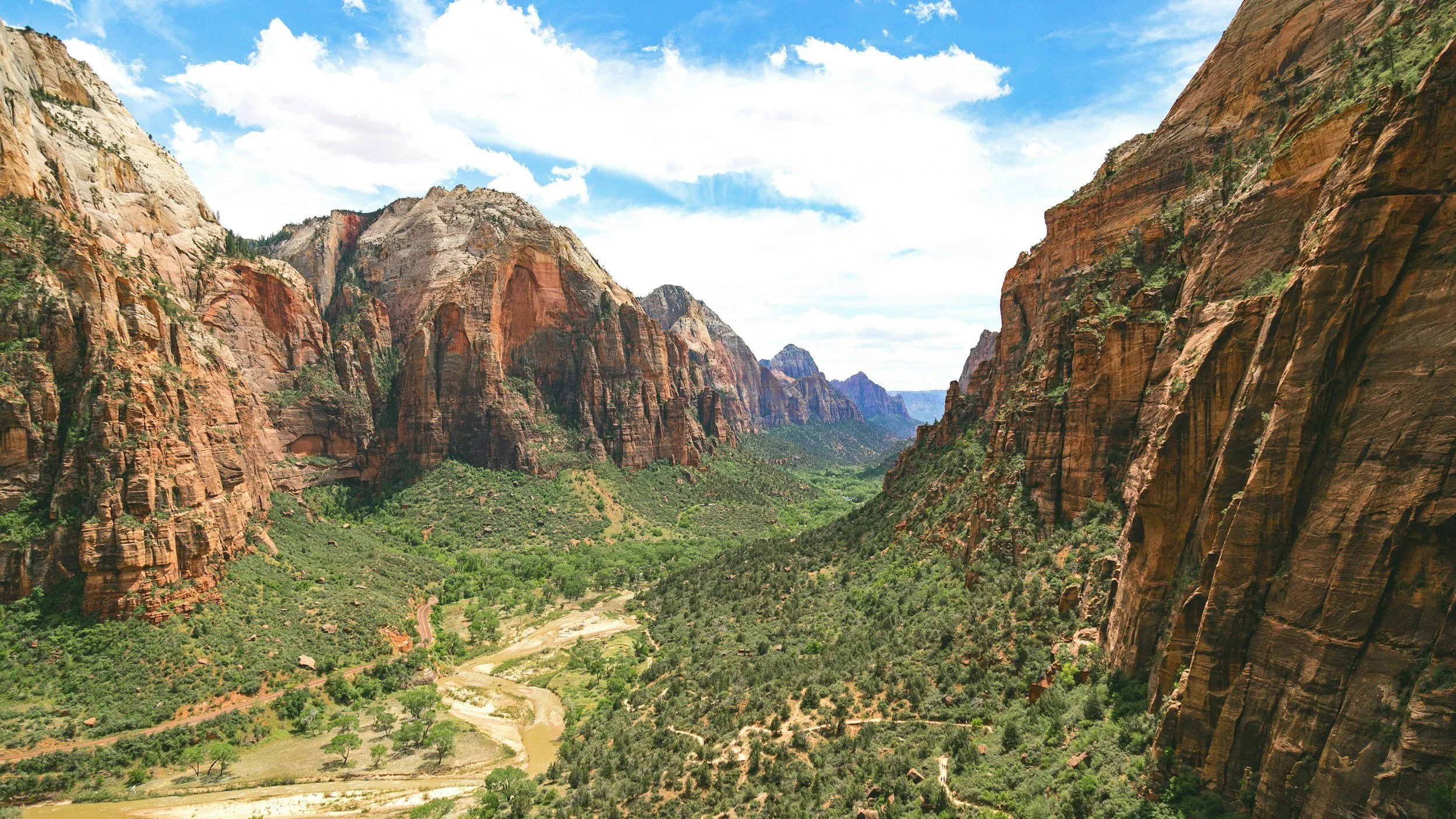
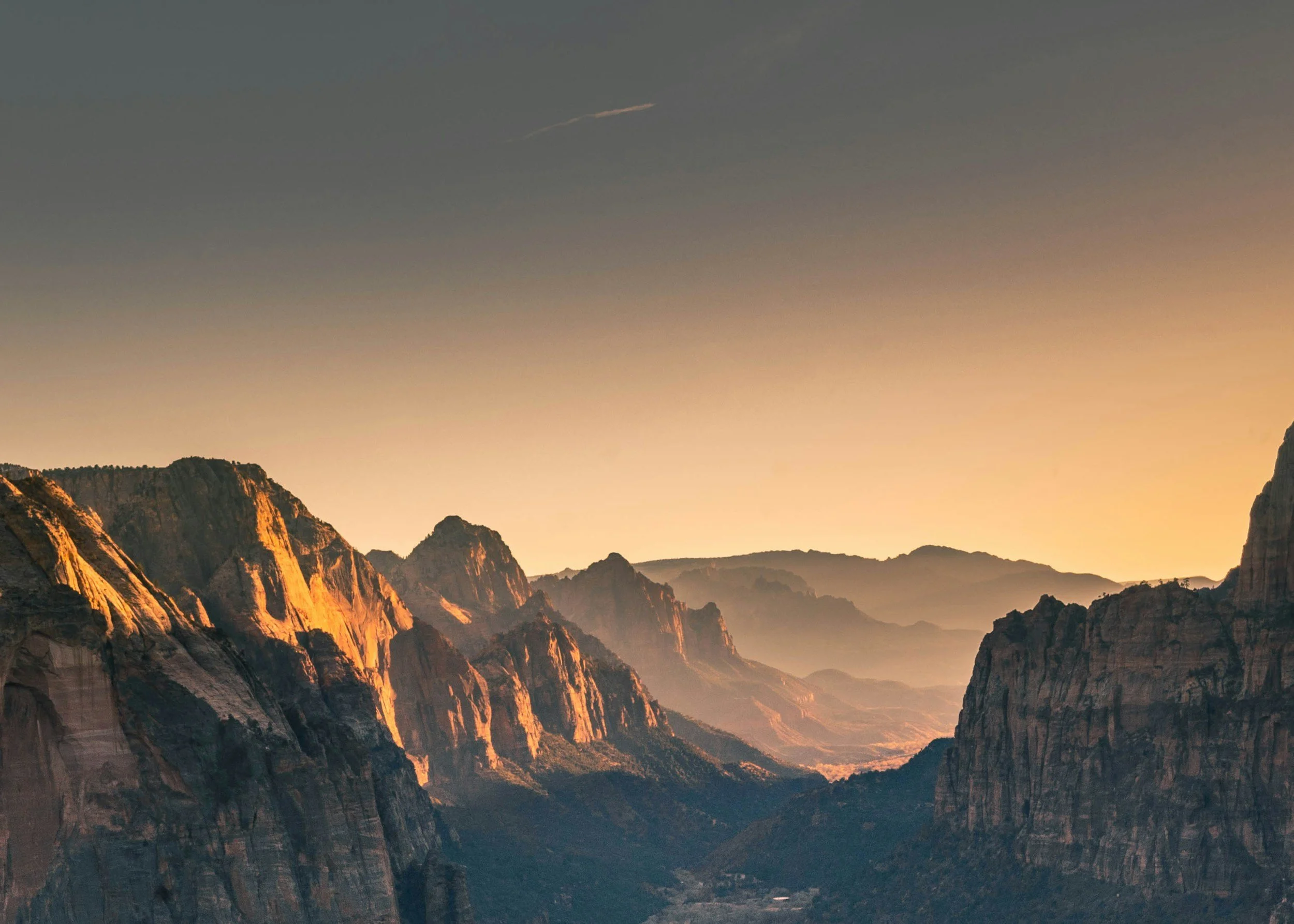
At the threshold of Zion National Park, where red cliffs blaze like altar stones and the wind writes its own scripture in the sand, we have found land that speaks. A canyon sanctuary where spirit and earth embrace. Here, we are stewards of a sacred teaching space, The Sanctuary at Zion, a home carved not just from wood and stone, but from story, devotion, and deep listening.
This is where we gather.
We acknowledge with deep respect that this land has been sacred long before it was called Zion. These canyons are the ancestral homelands of the Southern Paiute people, who call themselves the Nuwuvi, meaning “the people.” For generations beyond counting, the Nuwuvi have known this place not as a park, but as a living being — a web of relationship, story, and spirit.
The land now called Zion was known to the Nuwuvi and other Indigenous groups by various names. In Southern Paiute, the Zion area is sometimes referred to as Mukuntuweap, meaning “straight canyon” or “straight river,” a name that was also briefly used by early settlers before the current name was imposed.
We honor the Nuwuvi (Southern Paiute) people — past, present, and future — and we strive to walk gently, listen deeply, and give back in ways that honor the original stewards of this sacred ground.
This is where we gather.
Where friends and family come to celebrate, rest, or return to themselves.
Where seekers descend into silence and ascend into meaning.
Where the wounded come not to be fixed, but to be seen — and in that sacred witnessing, to heal.
Where healers shed their robes and remember they too are held.
Where students become guides.
Where death is honored.
Where new life begins.
This is Zion.
A place of remembering.
A place of rewilding.
A place of resurrection.
You are welcome here — not as who you’ve had to be, but as who you truly are.